
Sci Transl Med2023
Tumor-associated fibrosis impairs immune surveillance and response to immune checkpoint blockade in non-small cell lung cancer
Herzog BH, Baer JM, Borcherding N, et al.
PubMed →
The Herzog Lab at Washington University School of Medicine focuses on understanding the tumor microenvironment (TME) in thoracic malignancies, with a particular emphasis on lung cancer.
We combine cutting-edge immunology, genomics, and translational approaches to identify mechanisms of immune evasion and develop novel combination immunotherapy strategies.
Our work spans from basic science discovery to early-phase clinical trials, bridging the bench-to-bedside gap in thoracic oncology.
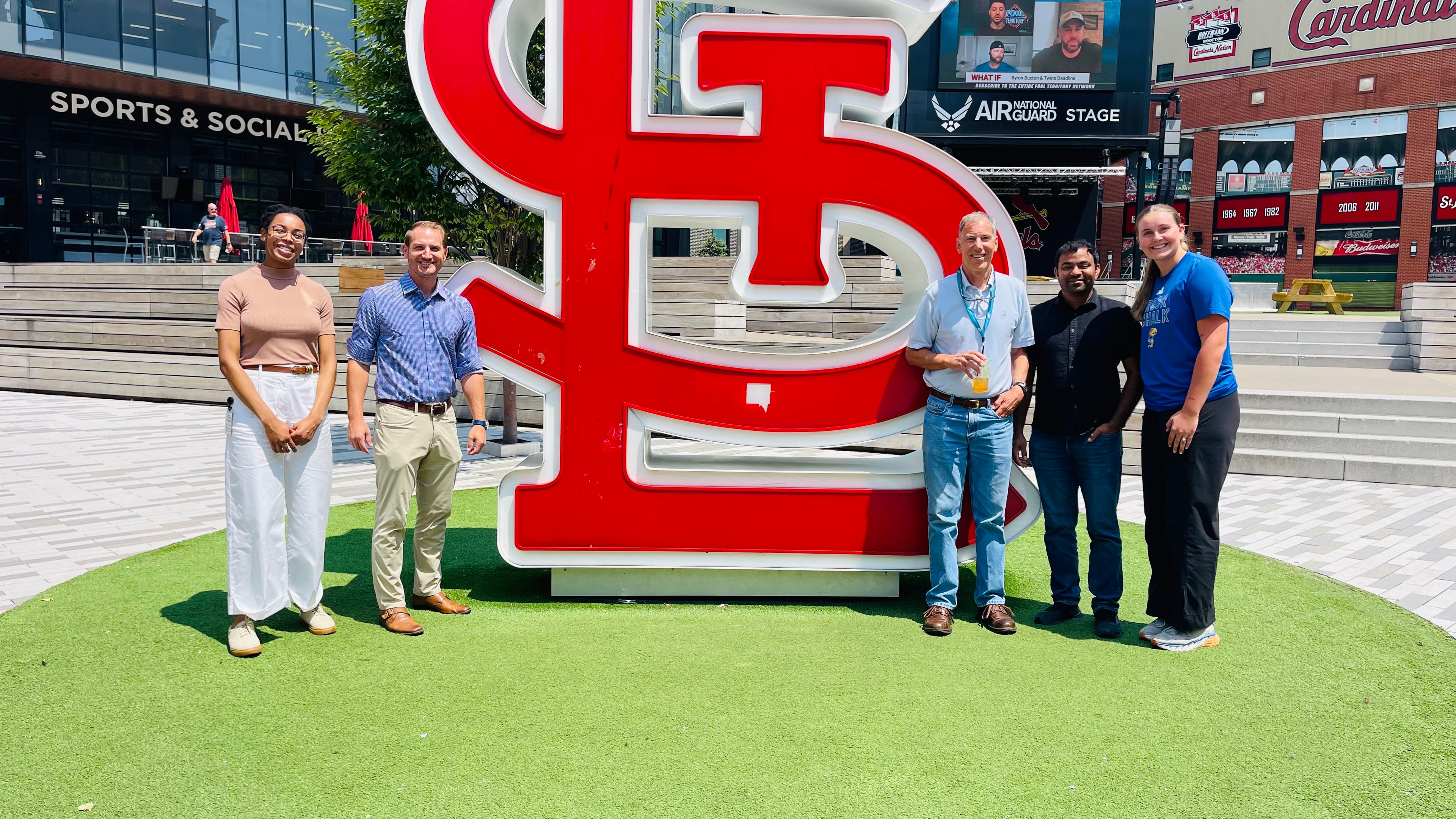
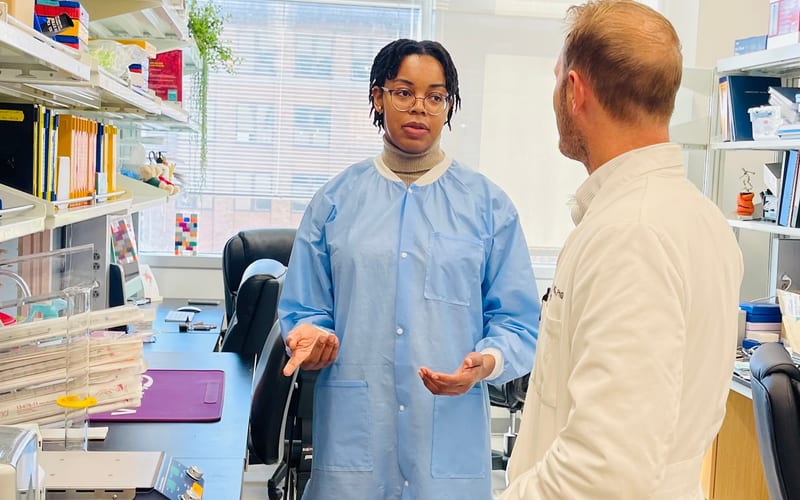
We are committed to fostering an inclusive, collaborative, and supportive research environment. We welcome trainees from diverse backgrounds and are dedicated to mentoring the next generation of physician-scientists and researchers.
Peer-reviewed research from the Herzog Lab
Tumor-associated fibrosis impairs immune surveillance and response to immune checkpoint blockade in non-small cell lung cancer
Herzog BH, Baer JM, Borcherding N, et al.
PubMed →
Overcoming Chemotherapy Resistance in SCLC
Herzog BH, Devarakonda S, Govindan R.
PubMed →
Dendritic Cell Paucity Leads to Dysfunctional Immune Surveillance in Pancreatic Cancer
Hegde S, Krisnawan VE, Herzog BH, Zuo C, et al.
PubMed →
Ramucirumab plus atezolizumab in patients with stage IV non-small cell lung cancer previously treated with immune checkpoint inhibitors
Herzog BH, Waqar SN, Devarakonda S, et al.
PubMed →
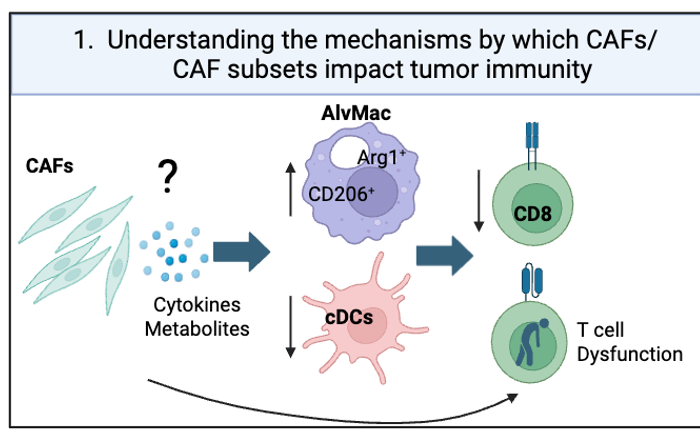
We investigate how fibrosis, immune cell composition, and stromal remodeling within the lung cancer TME drive resistance to immune checkpoint blockade. Our studies use multiplex imaging, single-cell sequencing, and functional assays to map the cellular landscape of NSCLC tumors.

SCLC remains one of the most lethal thoracic malignancies. We study the molecular mechanisms underlying chemotherapy resistance and immune evasion in SCLC, with the goal of identifying new therapeutic vulnerabilities.
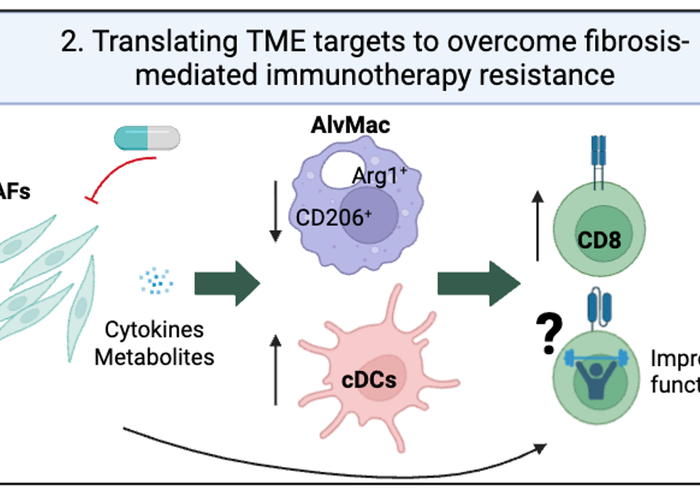
We design and lead early-phase clinical trials combining immunotherapy with novel agents targeting the TME. Our translational program integrates correlative biomarker studies to understand mechanisms of response and resistance in patients.

Dose escalation and expansion study in advanced treatment-refractory pancreatic cancer.
Learn More →Combination anti-VEGFR2 and anti-PD-L1 therapy in previously treated stage IV NSCLC.
Learn More →Novel combinations targeting stromal and immune components of the lung cancer TME.
Learn More →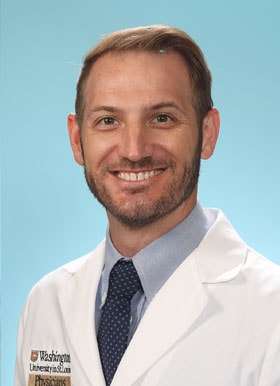
Brett H. Herzog, MD
Principal Investigator
Dr. Herzog is an Assistant Professor of Medicine at Washington University School of Medicine. His research focuses on the tumor microenvironment in thoracic malignancies and the development of novel immunotherapeutic strategies for lung cancer.

Peter
Lab Manager

Onyi
MD/PhD Student

Abul
Senior Scientist
Full team roster coming soon — contact us to learn more about joining the lab.
Interested in joining the lab or collaborating? We'd love to hear from you.